How To Compare Product Samples Before Placing A Bulk Order
A practical checklist for comparing supplier samples, recording defects and approving the version you actually want manufactured.
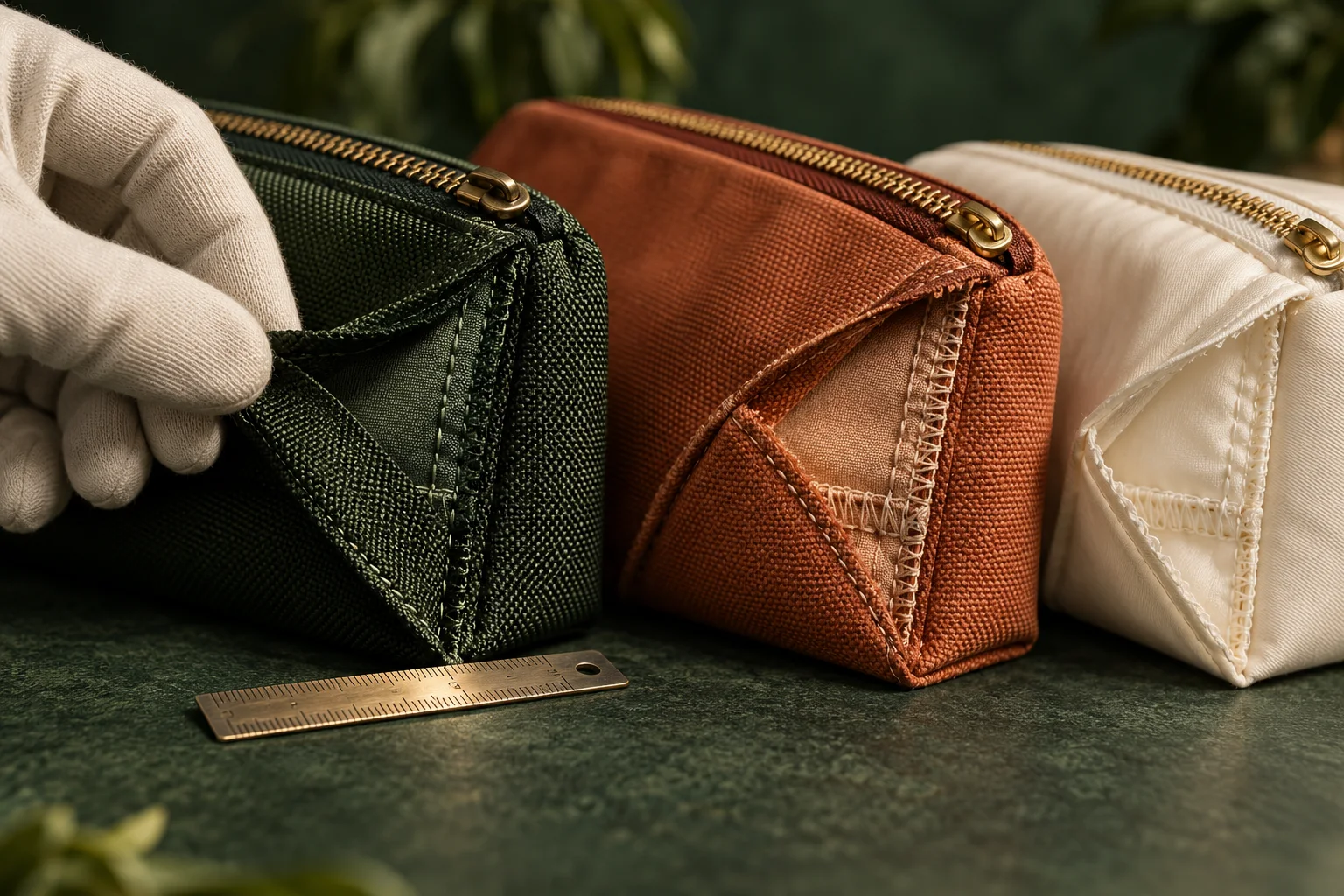
Compare every sample against the same written product specification. Record measurements, materials, workmanship, function and packaging, then ask for corrections before approving a clearly identified reference sample. A good sample is a starting point; it does not guarantee consistent bulk production.
1. Give Every Supplier The Same Brief
Three samples are difficult to compare if each supplier has interpreted your request differently. Before ordering samples from China, send the same dimensions, material requirements, intended use, artwork and packaging brief to each supplier. Ask them to identify anything their proposed product does not meet.
Separate requirements into must-haves and preferences. A bag that cannot hold the intended item should not win because its colour is attractive or its price is lower. Define acceptable measurement tolerances for your product instead of assuming every small difference is harmless.
Also confirm which kind of sample you are receiving: an existing stock item, a customised prototype or a pre-production version. A stock sample may demonstrate workmanship but may not represent your final material, colour, logo or packaging.
2. Label Samples Before Reviewing Them
Assign each sample a unique ID, such as Supplier A / Version 1. Record the supplier, model, arrival date and the quotation it relates to. Photograph the product, its packaging and the identifying label together so that comments cannot be confused between suppliers or revisions.
Use consistent lighting, measurement methods and functional checks. Keep original photographs alongside annotated copies. Where several people review the samples, have them use the same checklist rather than sending scattered messages about what they liked.
3. Use A Product Sample Comparison Checklist
The table below is a practical starting point. Adapt it to the actual product; it is not a substitute for specialist testing. Inspection provider QIMA describes specifications, dimensions, function, appearance, performance and workmanship as checklist areas for product inspections. [1]
| Check | What To Compare | What To Record |
|---|---|---|
| Dimensions And Weight | Actual measurements against the agreed specification | Measured values, units, method and any deviation |
| Materials And Components | Specified fabric, finish, hardware and component versions | Supplier declarations, visible differences and tests still needed |
| Workmanship | Seams, edges, assembly, print alignment and surface finish | Close-up photographs and exact defect locations |
| Function And Fit | How the product performs in its intended use | Test conditions, results and failures |
| Appearance | Colour, texture, logo placement and overall consistency | Reference artwork or colour standard and observed differences |
| Packaging | Fit, protection, artwork, labels and included components | Package dimensions, contents and corrections required |
| Commercial Match | Whether the quote covers the sampled specification | Unit price, order quantity, tooling, packaging and exclusions |
Do not assume that appearance proves material composition. For example, a photograph cannot establish a claimed metal grade or chemical composition. Mark those claims as unverified until you have suitable evidence. Likewise, routine handling checks are not certified safety, durability or compliance tests.
4. Compare Results Before Comparing Prices
Hypothetical example: a buyer requests a travel pouch with a minimum usable internal width of 24 cm, smooth zipper operation and a centred logo. Two suppliers send samples:
| Requirement | Sample A | Sample B |
|---|---|---|
| Minimum Internal Width: 24 cm | 23 cm — does not meet requirement | 24.5 cm — meets requirement |
| Smooth Zipper Operation | Catches during the review | No catching observed during the same check |
| Centred Logo | Acceptable against agreed artwork | Position needs correction |
| Quoted Unit Price | $3.10 | $3.45 |
Sample A's lower price does not resolve the fit and zipper failures. Sample B is closer to the brief but still needs a corrected logo sample. Neither should receive unconditional production approval in its current state. These are illustrative values, not supplier quotations or HMZ client results.
Use a simple status for each requirement: meets requirement, correction required, or not verified. If you also use numerical scores for preferences, keep essential failures separate so that a high average cannot hide an unusable product.
5. Make Approval Specific And Traceable
Send one consolidated correction list with annotated photographs. Ask the supplier to confirm each correction and whether it changes the price or production timeline. When a revision affects fit, function or appearance, review the revised sample before approving that feature.
Once satisfied, identify and retain an approved reference sample, often called a golden sample, alongside the written specification. Agree which matching reference will be available to the supplier and inspector. QIMA recommends approved samples as tangible inspection references. [2]
Sample Approval Record
Copy this structure into your order file:
- Product And Supplier: Product name, supplier legal name and model.
- Approved Sample: Unique ID, revision and dated photographs.
- Specification: Document version, measurements, materials and artwork.
- Decision: Approved, rejected, or awaiting listed corrections.
- Open Items: Tests, packaging or other features not yet approved.
- Commercial Basis: Matching quotation and any agreed changes.
- Confirmation: Buyer approval date and supplier acknowledgement.
Avoid a message that only says “looks good.” If you have approved the product but not its retail box, state that explicitly. Require proposed material, component or process changes to be disclosed and agreed before they are used.
6. Check Production Separately
A supplier-selected sample cannot establish the quality of an entire future order. Keep sample approval separate from checks on the actual goods produced. Agree when an on-site inspection is needed, which characteristics will be assessed and how unresolved issues will be handled before shipment.
For the wider process, see our China sourcing guide. If the supplier's legal identity is still unclear, start with our Chinese business licence guide; product sampling and company identity checks answer different questions.
Frequently Asked Questions
Can I Approve A Sample From Photos Alone?
Photos can help review visible details such as artwork and general appearance. They cannot establish feel, fit, weight or performance on their own. Choose physical review and appropriate testing where those characteristics matter.
Is One Good Sample Enough?
It may help confirm a design, but it does not demonstrate consistency across a production run. The review scope should reflect the product, order and consequences of failure; there is no universal sample count that proves quality.
Is Sample Consolidation The Same As Sample Review?
No. Consolidation collects samples at one location for forwarding. Review assesses them against an agreed brief. If you need both, confirm both services and the forwarding arrangements before suppliers dispatch the samples.
Does Sample Review Include Laboratory Testing?
Do not assume it does. Confirm the review scope and arrange any necessary specialist or laboratory tests separately. A visual and functional review should not be presented as a compliance certificate.
Need Help Reviewing Samples From China?
HMZ Global offers sample arrangement and review of supplier-provided photos, videos and measurements for US$150, sample consolidation for US$100, and on-site quality inspection for US$250–350. Hands-on testing is additional. Confirm the scope and any sample purchase, forwarding or specialist testing costs in your written quote.
Explore China Sourcing & Procurement Services or Discuss Your Sample Review.
Sources And Further Reading
The comparison method, approval template and worked example are HMZ Global's practical editorial guidance. The sources below support the inspection-checklist and reference-sample concepts.
- QIMA: Product Inspection Services — checklist categories and inspection of production goods.
- QIMA: Inspection Reference Samples — using a reference for product appearance and performance.